Humanoid Robot: Best Models, Makers, and Uses
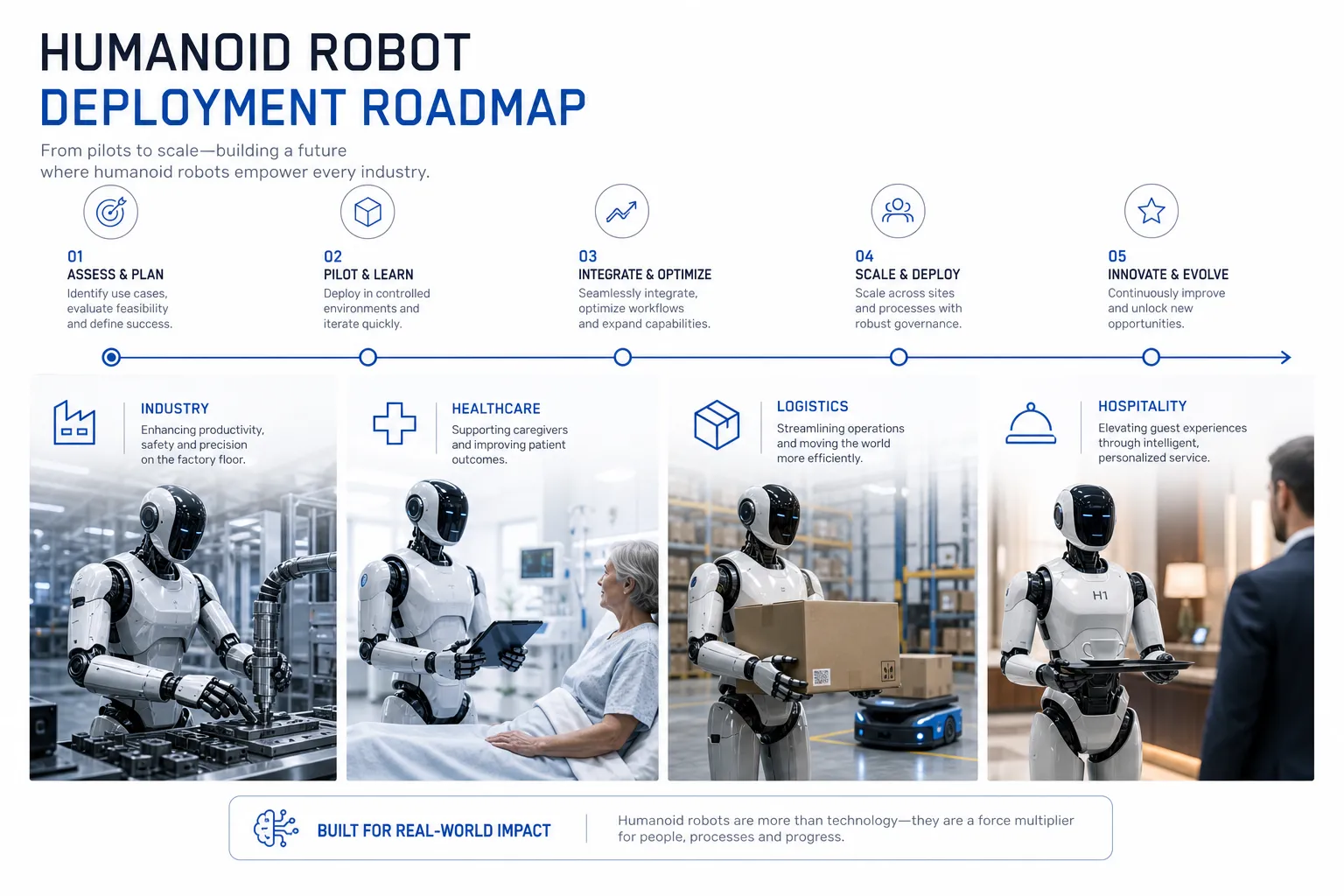
For buyers, the real question is no longer whether a humanoid robot is possible. It is whether a humanoid robot is practical, available, safe to deploy, and commercially justified for a real site, team, and workflow.
That matters because most business and institutional buyers are not looking for a lab demo. They are looking for a machine that can work in a warehouse, greet guests in a premium venue, support research, assist with repetitive handling, or fit into a future-facing innovation program without creating procurement chaos. The gap between headlines and deployment reality is still wide.
This guide closes that gap. It explains what humanoid robots are, how humanoid robot AI and mechanical design are evolving, which models deserve serious attention, where China fits into the supply chain, and how to evaluate the best humanoid robots in the world by use case rather than hype.
At Robotist, we approach this market from a deployment lens. That means focusing on verified suppliers, site suitability, compliance, import pathways, operator training, after-sales support, and the total risk of putting a humanoid machine into a live environment. For buyers importing into new markets especially, that practical layer is often the difference between a compelling robotics plan and an expensive experiment.
"In 2025, Chinese company Unitree led the global humanoid robotics market, shipping over 5,000 robots. Another Chinese firm, Agibot, followed closely with a similar number of shipments. Overall, the total number of humanoid robot shipments worldwide exceeded 10,000 units in 2025." - Statista
What is a humanoid robot?
A humanoid robot is a robot built with a human-like body structure so it can operate more naturally in spaces designed for people. That usually means a head, torso, arms, and either two legs or a hybrid mobility base that mimics human reach and interaction patterns.
The reason the format matters is simple: most workplaces, buildings, tools, doors, corridors, counters, shelves, and appliances were designed for human bodies. A humanoid robot can potentially use those same environments with fewer changes than a fixed industrial system.
Core characteristics of a modern humanoid robot
Capability | What it means in practice | Why buyers care |
|---|---|---|
Human-like form factor | Arms, hands, torso, and upright posture | Works around human infrastructure |
Mobility | Bipedal walking, wheeled base, or hybrid locomotion | Determines site compatibility |
Manipulation | Grippers or dexterous hands | Affects task range and ROI |
Perception | Cameras, depth sensing, LiDAR, tactile sensing | Impacts safety and autonomy |
AI control stack | Perception, planning, reasoning, action | Drives usefulness beyond demos |
Power system | Battery runtime, swap system, charging method | Determines uptime |
Safety architecture | Collision detection, force limits, geofencing, supervision | Essential for compliance and duty of care |
Not all humanoids are trying to do the same job
A common mistake is treating all humanoid robots as one category. In reality, there are several very different product classes:
Industrial humanoids built for logistics, manufacturing, or parts handling
Service humanoids designed for reception, guidance, entertainment, or hospitality
Home-oriented humanoids still early, but increasingly visible
Research platforms for universities, labs, and AI development teams
Semi-humanoid systems with wheeled bases and upper-body dexterity for commercial tasks
For a buyer, this distinction matters more than the marketing label.
Why humanoid robots matter now
The recent wave of interest is not just a social-media effect. Several enabling technologies matured at once:
Better electric actuators and torque control
Stronger onboard compute
Vision-language-action models and embodied AI systems
Improved simulation and training stacks
Falling component costs
Clearer commercial pressure in warehousing, manufacturing, healthcare support, and service environments
What changed is that humanoid robot technology is moving from spectacle to workflow.
The market signal is no longer theoretical
"Digit has achieved a significant milestone by moving over 100,000 totes at GXO Logistics' facility in Flowery Branch, Georgia." - Agility Robotics
That kind of milestone matters far more than a backflip or a viral dance clip. For professional buyers, repeatable task completion in a live customer environment is what separates promise from procurement.
How humanoid robot AI is changing the category
The real story in this market is not only hardware. It is the combination of hardware with embodied intelligence.
Humanoid AI is evolving from scripted motion and teleoperation toward systems that can perceive scenes, identify objects, interpret instructions, and sequence actions with more flexibility. That does not mean fully autonomous general-purpose labour is here. It does mean the control stack is getting more commercially useful.
The new stack: perception, reasoning, and action
A modern humanoid robot AI system generally combines:
Perception
Cameras, depth sensors, force sensing, and environmental mapping.Scene understanding
Recognising tools, people, shelves, bins, obstacles, and targets.Task planning
Breaking down goals into subtasks such as pick, carry, place, inspect, or assist.Motion control
Converting high-level intent into stable arm, hand, and locomotion actions.Safety supervision
Enforcing limits, stop conditions, human avoidance, and exception handling.
What buyers should know about autonomy claims
Many of the latest humanoid robots still rely on some mix of:
teleoperation,
human-in-the-loop supervision,
tightly scoped tasks,
structured environments,
or extensive pre-training.
That is not a failure. It is simply where the industry is. The smart buying question is not, “Is it fully autonomous?” but, “What tasks can it complete reliably in my environment, under what supervision model?”
What the top competitor articles got right - and what they missed
Across leading industry coverage, the strongest patterns are clear:
What they covered well
Ranking notable humanoid robot manufacturers
Comparing flagship robots by height, payload, and battery
Highlighting breakout models like Digit, Atlas, Optimus, G1, NEO, Apollo, and Figure
Noting China’s increasingly central role in humanoid manufacturing
Framing the category as a blend of AI and hardware progress
The content gaps buyers still face
Most articles still gloss over the practical realities that matter to decision-makers:
Deployment readiness vs demo quality
Supplier verification and availability
Compliance, customs, and import complexity
Support, maintenance, and spare-parts pathways
Site fit: floors, corridors, staffing model, hazards, supervision
Procurement models: purchase, RaaS, pilot, or reservation
Risk-adjusted robot selection by use case
That is where Robotist adds real value. We do not simply surface robots. We help clients access vetted manufacturers directly, reduce intermediary markups through cost-plus sourcing, assess operational fit, coordinate local Sydney-based execution, and structure after-sales support so the robot can actually stay useful after delivery.
Best humanoid robots to watch by category
Below is a buyer-focused view of the most important platforms in market visibility today. These are not all equivalent, and they should not be shortlisted the same way.
1. Tesla Optimus
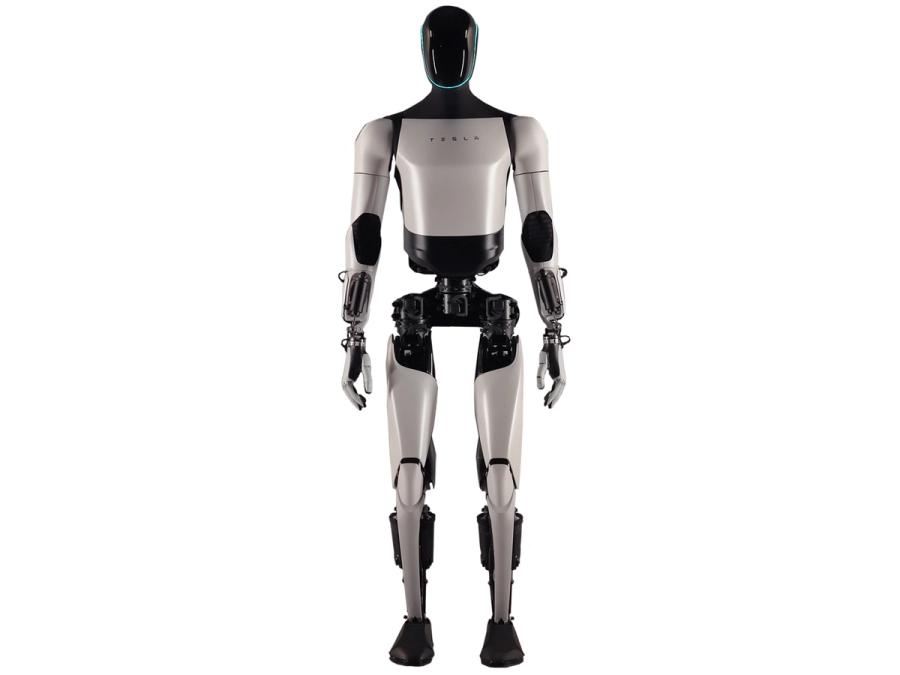
Tesla Optimus is the most famous humanoid robot program in the world, largely because of Tesla’s manufacturing scale, public visibility, and AI brand power. It represents the highest-profile attempt to turn a humanoid machine into a mass-produced labour platform.
Why it matters
Tesla brings three rare advantages:
automotive-grade manufacturing ambition,
a vertically integrated AI philosophy,
and the ability to shape market expectations instantly.
Buyer reality
For now, Optimus remains more important strategically than commercially for external buyers. It is a market-shaping project, but not yet the easiest humanoid robot to buy for a real business deployment.
Best fit
Long-term industrial watchlist
Strategic innovation programs
Buyers benchmarking future labour automation
2. 1X NEO
1X NEO is one of the most closely watched home-oriented humanoid robots. Its design language is softer, lighter, and more domestic than many industrial-first competitors.
Why it matters
NEO signals where consumer and assisted-living robotics may be heading: lighter actuation, more human-safe design, and a service model that blends AI with supervised learning.
Buyer reality
It is compelling, but still early. For aged care, healthcare-adjacent environments, or premium residential service concepts, it belongs in strategic planning more than immediate fleet procurement.
Best fit
Home robotics pilots
Assisted-living research
Premium experiential innovation programs
3. Boston Dynamics Atlas
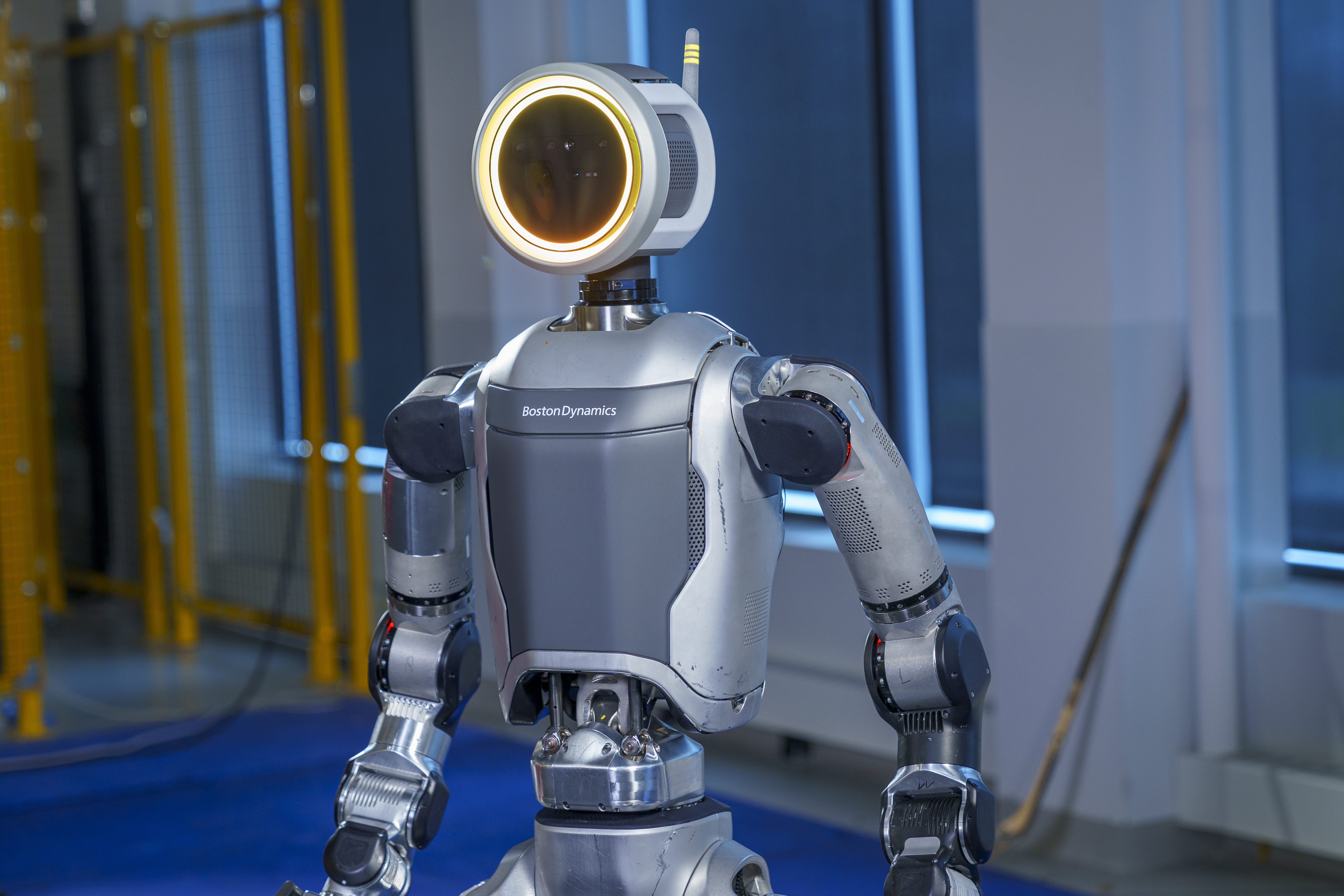
Atlas remains the benchmark for advanced humanoid mobility and dynamic whole-body control. The electric Atlas is less about entertainment than its earlier viral reputation suggests; it is increasingly an industrial platform.
Why it matters
Atlas sets the tone for what top-end humanoid hardware can look like:
high agility,
strong payload handling,
sophisticated control,
and enterprise-grade engineering credibility.
Buyer reality
It is a premium benchmark, but not the default answer for every commercial deployment. Availability, integration model, and program maturity still matter.
Best fit
Advanced industrial R&D
Automotive and manufacturing pilots
High-end robotics benchmarking
4. Agility Robotics Digit
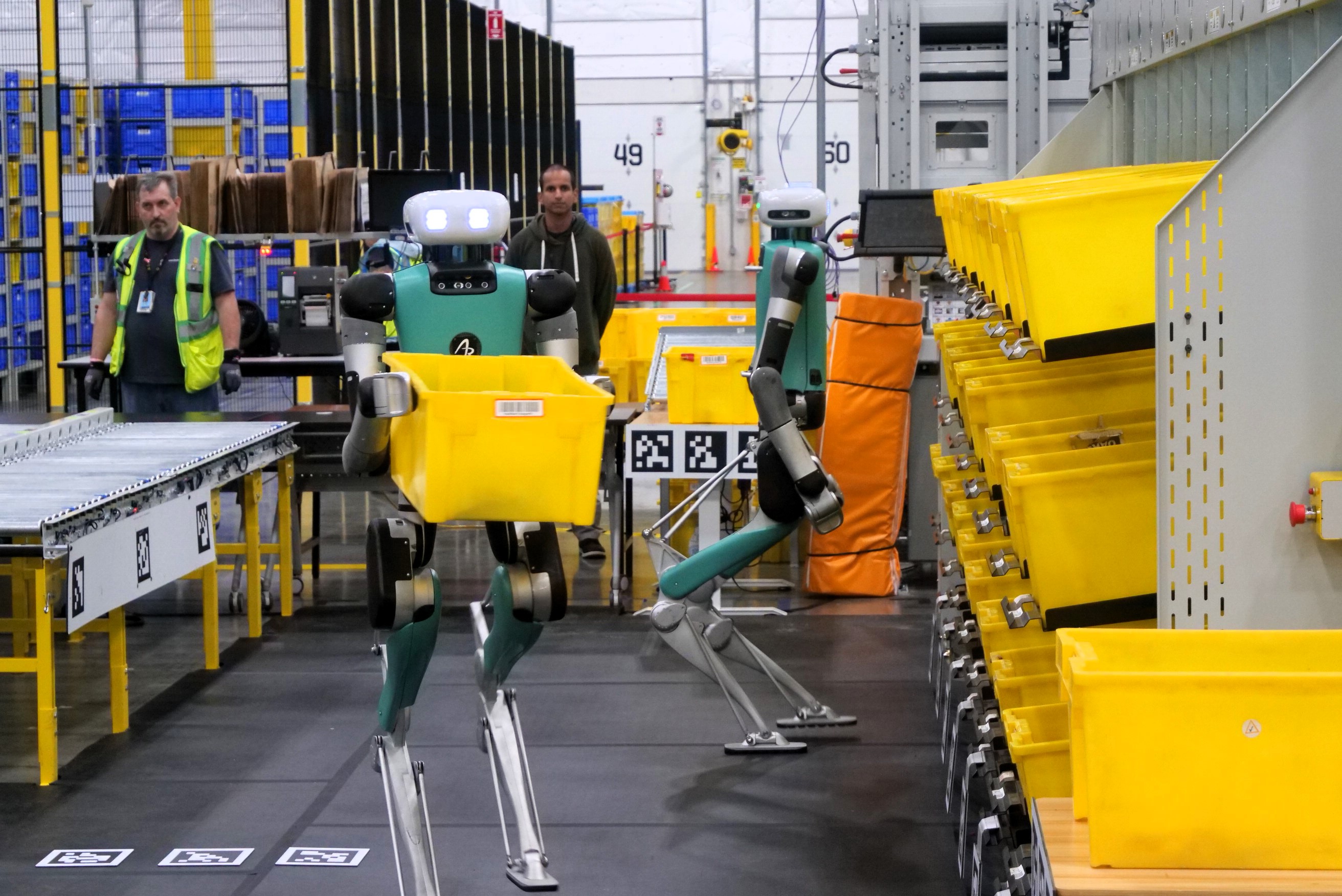
Digit is arguably the most commercially credible humanoid industrial robot in public deployment discussions today.
Why it matters
Digit has become a reference point for serious buyers because it has moved beyond conceptual demos and into named commercial workflows.
Buyer reality
If your question is which humanoid robot is actually working in logistics conditions, Digit deserves to be near the top of the list.
Best fit
Warehousing
Tote handling
Intralogistics
Repetitive transport tasks in structured commercial environments
5. Unitree G1
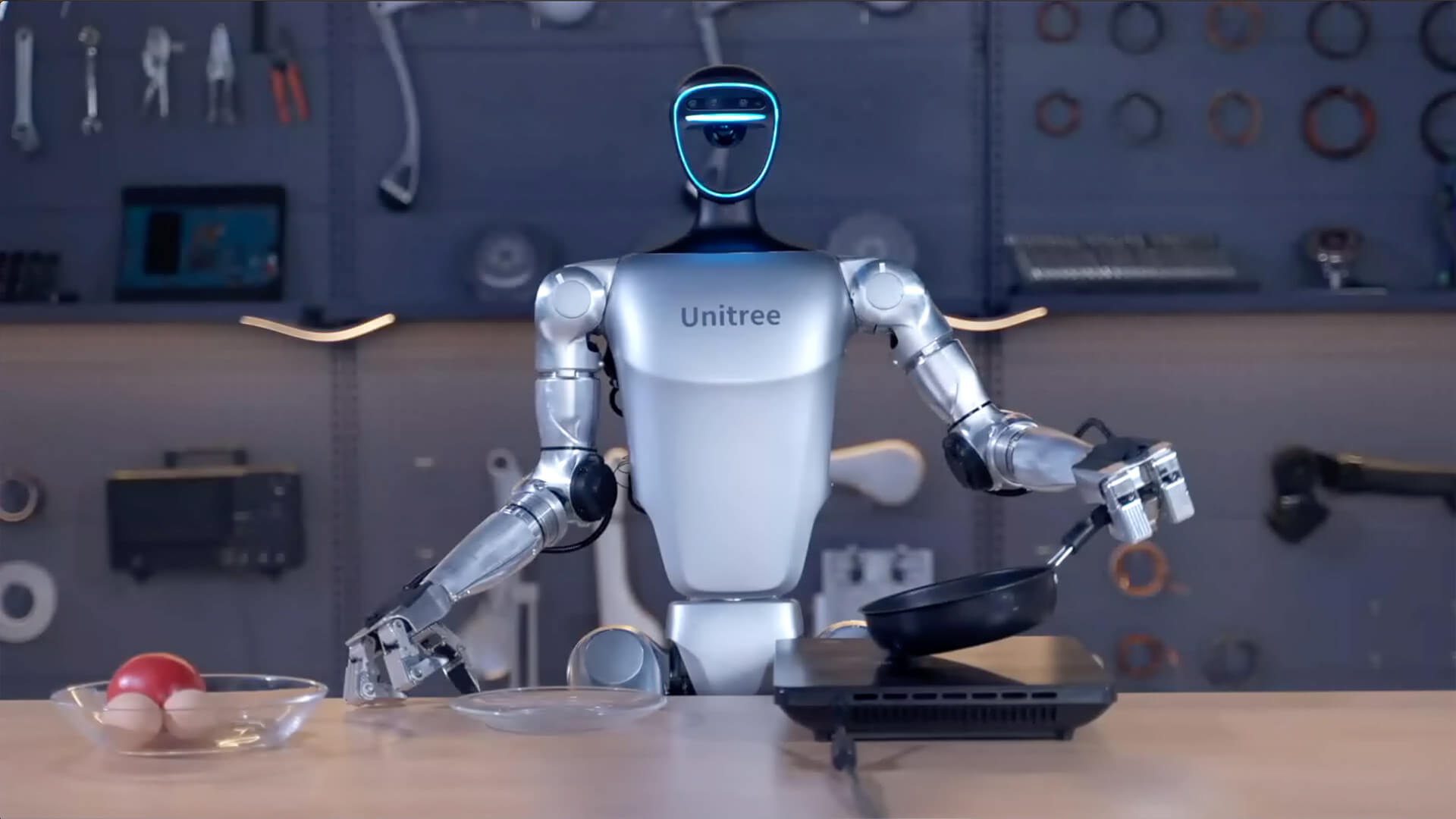
Unitree G1 has become one of the most talked-about platforms for affordability, accessibility, and broad developer interest.
Why it matters
It lowers the barrier to entry for organisations exploring humanoid robot research, education, and early-stage AI experimentation.
Buyer reality
It is not the best choice for every industrial workflow, but it may be one of the smartest entry points for labs, universities, innovation teams, and advanced technical buyers.
Best fit
Research labs
Universities
AI experimentation
Developer ecosystems
Education and demonstration programs
6. Apptronik Apollo
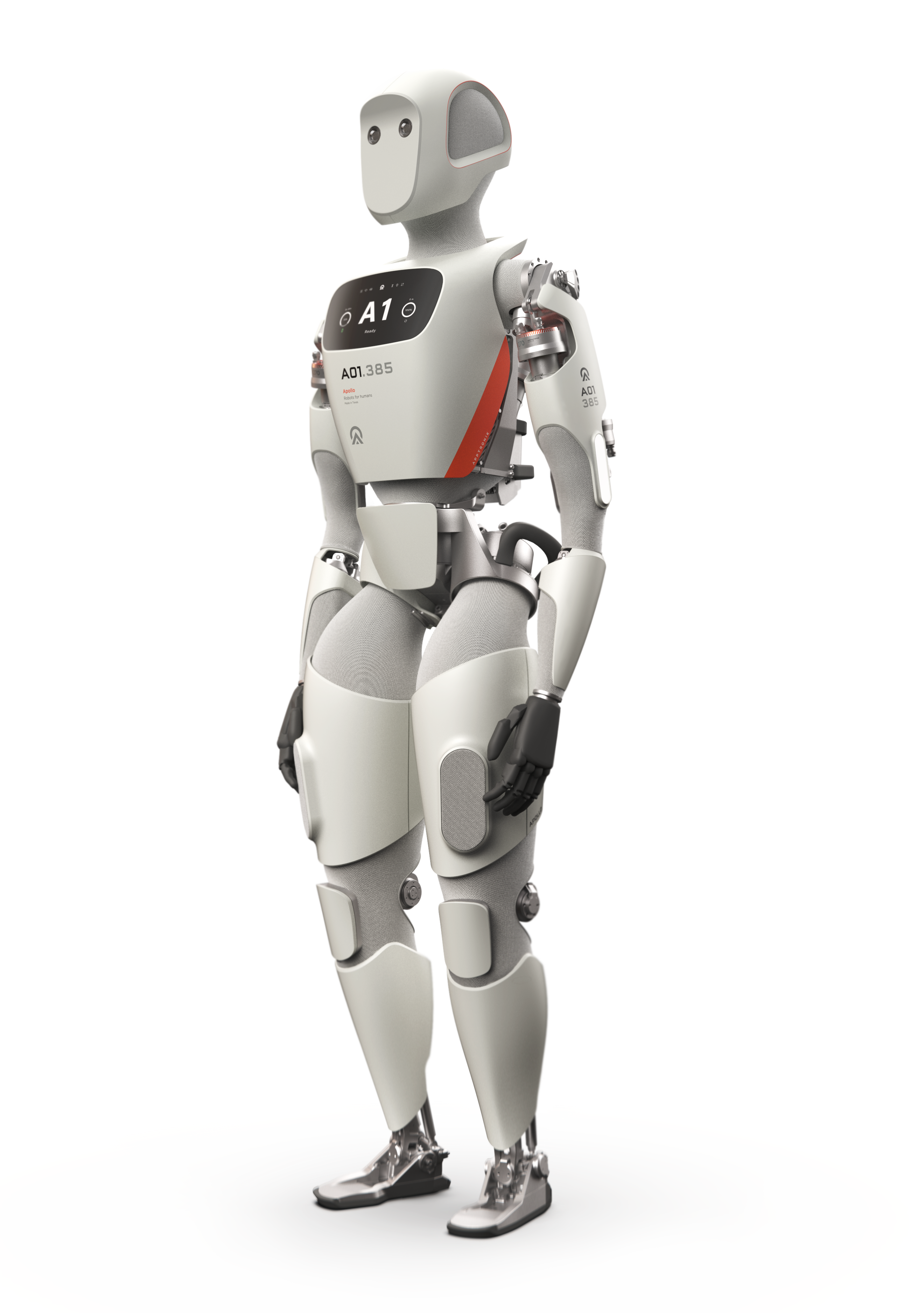
Apollo is one of the strongest U.S. humanoid robot company contenders for industrial and logistics applications.
Why it matters
Its value lies in its positioning: practical industrial work, strategic partnerships, and a credible roadmap toward embodied AI training in real workflows.
Buyer reality
Apollo is especially relevant for organisations that want to follow the evolution of industrial humanoids without over-indexing on hype.
Best fit
Manufacturing support
Logistics R&D
Enterprise embodied-AI pilots
7. Figure 03
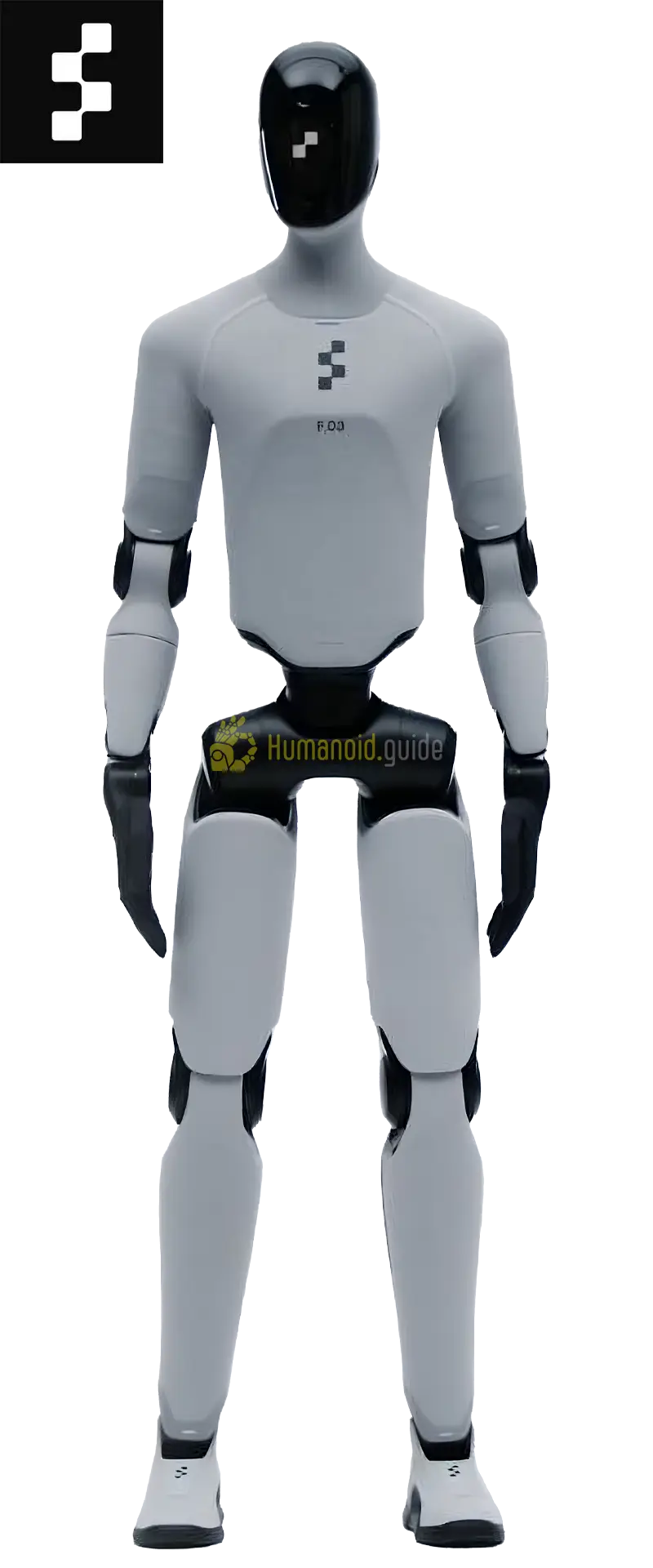
Figure has positioned itself as one of the most serious AI-first humanoid robot manufacturers. Figure 03 reflects that ambition by pairing elegant hardware with a strong software narrative.
Why it matters
The company’s in-house AI direction and enterprise focus make it one of the most interesting players for long-term manufacturing automation.
Buyer reality
It is strategically important, but buyers should still distinguish between demonstrations, enterprise partnerships, and broad commercial availability.
Best fit
Manufacturing automation
Commercial logistics
AI-driven robotic manipulation programs
8. Engineered Arts Ameca
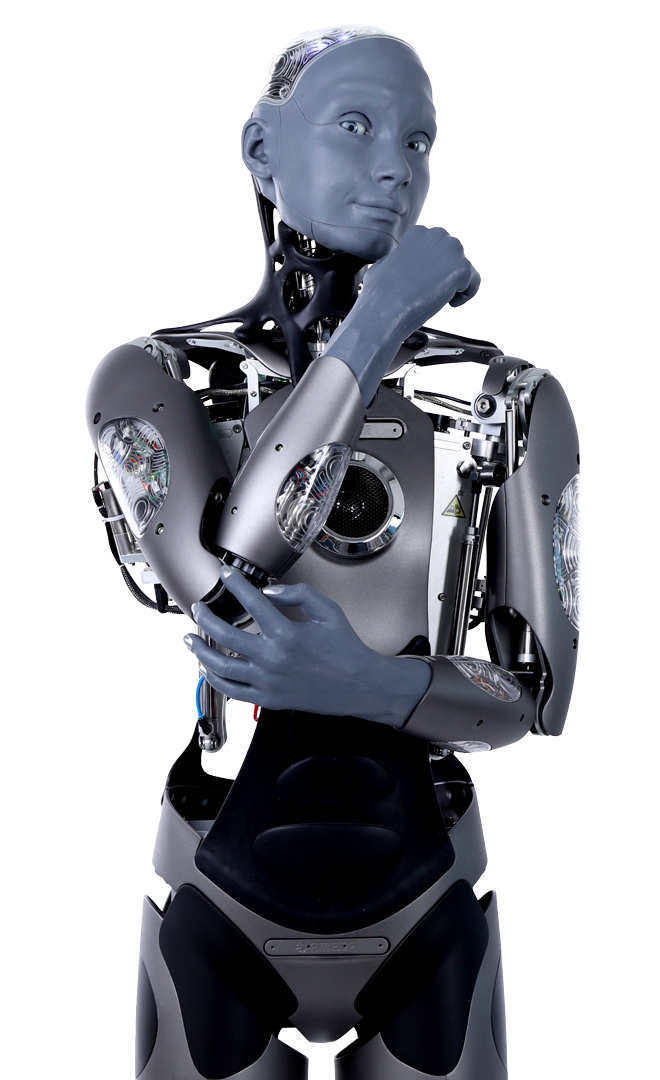
Ameca is not trying to be a warehouse labour platform. It excels in human interaction, expressiveness, public engagement, and premium robotic presence.
Why it matters
For customer-facing environments, education, museums, high-end experiences, exhibitions, and media, Ameca is one of the most recognisable real life humanoid robots in the market.
Buyer reality
Its value is measured less by payload and more by communication quality, realism, and audience impact.
Best fit
Premium customer experience
Exhibitions and brand activations
Education and HRI research
Museums and visitor environments
Comparison table: which humanoid robot fits which buyer?
Robot | Primary strength | Best environment | Commercial maturity | Likely buyer type |
|---|---|---|---|---|
Tesla Optimus | Strategic industrial potential | Future factory environments | Early/publicly evolving | Large enterprise innovators |
1X NEO | Home-oriented human-safe design | Residential or care-adjacent | Early/pre-commercial | Care innovators, research buyers |
Boston Dynamics Atlas | Elite hardware and mobility | Advanced industrial settings | High-profile but selective | Enterprise R&D, manufacturing leaders |
Agility Digit | Proven workflow deployment | Warehouses and intralogistics | Strong | Logistics operators |
Unitree G1 | Value and developer access | Labs, education, R&D | Growing | Universities, technical teams |
Apptronik Apollo | Industrial workflow roadmap | Manufacturing and logistics | Growing | Enterprise pilot programs |
Figure 03 | AI-first manufacturing push | Industrial/commercial workflows | Growing | Innovation-led enterprises |
Ameca | Human interaction and presentation | Public-facing spaces | Mature for HRI | Museums, venues, premium hospitality |
Top humanoid robot manufacturers shaping the market
The competitive field is now broad, but a handful of humanoid robot manufacturers stand out for influence, visibility, and strategic significance.
United States
The U.S. remains strong in:
AI platforms,
software integration,
venture backing,
and premium industrial robotics development.
Major names include:
Tesla
Boston Dynamics
Agility Robotics
Apptronik
Figure
China
Humanoid robot China is now central to the global supply chain and increasingly to product leadership itself. China’s strengths include:
rapid hardware iteration,
actuator and component manufacturing,
aggressive pricing,
production-scale ambition,
and deep robotics ecosystem density.
Major names include:
Unitree
UBTECH
AgiBot
Fourier
Kepler
RobotEra
EngineAI
LimX
XPENG
Europe and the UK
Europe contributes high-value platforms in:
human-robot interaction,
industrial engineering,
research robotics,
and premium design.
Key names include:
Engineered Arts
NEURA Robotics
PAL Robotics
Hexagon
Why China is becoming the humanoid robot factory to watch
China’s role is not just that of a low-cost manufacturer. It is increasingly the place where the humanoid robot factory model is becoming industrialised.
Why China is ahead in production scaling
China benefits from:
mature motor and actuator supply chains,
strong battery and electronics infrastructure,
shorter iteration loops,
aggressive state and private investment,
and faster component sourcing.
That creates a serious advantage for buyers who need access to advanced robots without waiting for long Western product cycles.
What this means for buyers outside China
It creates opportunity, but also complexity:
supplier claims vary in quality,
compliance documentation can be inconsistent,
after-sales support may be fragmented,
and shipping/import risks are real.
This is one reason Robotist’s model matters. We help buyers access direct factory relationships while filtering out weak suppliers, validating specifications, reviewing safety and support pathways, managing customs and logistics, and coordinating deployment on the ground in the client's market. That reduces risk without forcing clients through layers of opaque resellers.
Best uses for humanoid robots in real operations
Humanoid robots make the most sense when the environment is human-built and the task requires adaptability, reach, and interaction.
Hospitality and premium customer experience
Best use cases:
guest greeting
concierge interaction
guided experiences
showroom engagement
event activations
Why humanoids work: They create visible innovation while fitting front-of-house environments better than industrial-looking machines.
Best profile:
Ameca-style expressive systems
service-oriented humanoid platforms
Healthcare, aged care, and assisted environments
Best use cases:
wayfinding
social engagement
supervised assistance
non-clinical support
education and therapy-adjacent roles
Why humanoids work: Human-like form and communication can increase acceptance in sensitive environments, especially when the robot is not replacing core clinical judgment.
Best profile:
lighter, safer service humanoids
early home/care-focused platforms
Logistics and warehousing
Best use cases:
tote movement
repetitive transfer tasks
picking support
structured intralogistics flows
Why humanoids work: They can move through spaces built around human dimensions and handle repeated physical tasks where labour pressure is high.
Best profile:
Digit-class industrial humanoids
hybrid systems with strong uptime and task focus
Manufacturing and industrial automation
Best use cases:
parts handling
machine tending support
kitting
inspection
workflow experimentation in human-centric stations
Why humanoids work: Factories still contain many work cells designed for human reach and mobility.
Best profile:
Atlas, Apollo, Figure, UBTECH-class industrial systems
specialised humanoid industrial robot programs with clear task scope
Education and research labs
Best use cases:
embodied AI experimentation
robotics teaching
algorithm development
manipulation research
HRI and locomotion programs
Why humanoids work: They are ideal platforms for studying perception, motion, human interaction, and real-world autonomy.
Best profile:
Unitree G1
open or developer-friendly research humanoids
How to evaluate the best humanoid robot to buy
The best humanoid robot is not the one with the loudest media profile. It is the one that fits the task, the site, the support model, and the commercial logic.
Buyer evaluation checklist
Question | Why it matters |
|---|---|
What exact task will the robot perform? | Prevents vague, expensive pilots |
Is the environment structured or variable? | Affects autonomy and safety |
Is the robot commercially available now? | Avoids waiting on roadmap promises |
What is the support model? | Critical for uptime |
What compliance applies locally? | Necessary for import and operation |
Is the supplier verified? | Reduces procurement risk |
What is the battery/runtime model? | Impacts ROI and staffing |
Is training included? | Important for adoption |
Is spare-parts access clear? | Prevents downtime |
Can the task be done better by a non-humanoid robot? | Sometimes the right answer is not humanoid |
When not to buy a humanoid robot
A humanoid is not always the right form factor. Buyers should pause if:
the task is fixed and repetitive enough for a simpler industrial arm,
the site is flat-floor and best served by a wheeled service robot,
the budget does not include support and integration,
the operator team is not prepared,
or the business case is driven mainly by publicity rather than function.
A strong robotics strategy starts with the use case, not the aesthetic.
How Robotist helps buyers deploy humanoid robots with less risk
For many organisations, the hardest part is not choosing a robot in theory. It is turning a shortlist into a working deployment.
Robotist is built to close that gap.
What Robotist adds beyond a catalogue
Direct access to leading global robotics manufacturers rather than layered reseller chains
Curated and rigorously vetted robot selection based on real operational fit
Sydney-based coordination with global logistics
Compliance, customs, and site assessment support
Cost-plus pricing with fewer intermediaries
Structured after-sales support tiers
Deployment guidance from sourcing to maintenance
Safety and supplier verification to reduce deployment risk
Tailored recommendations across hospitality, healthcare, industrial automation, cleaning, agriculture, education, security, and research
This matters because a robot that looks impressive on paper can still fail in procurement, import, compliance, training, or support. Our role is to help clients move from curiosity to controlled execution.
Final verdict
Humanoid robots are no longer a fringe idea. They are becoming a serious category across logistics, manufacturing, premium service, research, and assisted human environments. But the market is still uneven. Some models are credible workflow tools. Others are strategic bets. Others remain brilliant demonstrations searching for the right commercial frame.
If you are evaluating the best humanoid robots in the world, the right next step is not to chase hype. It is to define the task, assess the site, shortlist the right manufacturers, verify supportability, and build a deployment plan that can survive real-world conditions.
That is where Robotist is strongest. We give commercial and institutional buyers direct access to leading robotics manufacturers, filter the market through operational reality, and support the full path from sourcing and supplier verification to delivery, setup, training, and after-sales support.
If you are exploring whether to buy a humanoid robot, Robotist can help you identify which platforms are worth your time, which are not, and how to deploy the right one with lower risk.
FAQ
Who makes the best humanoid robots?
There is no single winner for every use case. Agility Robotics is strong in commercial logistics, Boston Dynamics leads in elite hardware, Figure is a major AI-first contender, Unitree offers strong value for research and development, and Engineered Arts stands out for human interaction.
Who are the big 4 in robotics?
In the humanoid conversation, a practical “big 4” often includes Tesla, Boston Dynamics, Agility Robotics, and Figure because of their visibility, capital, and influence. That said, Chinese makers like Unitree and UBTECH are increasingly impossible to ignore.
Which robot did Elon Musk?
Elon Musk’s humanoid robot program is Tesla Optimus. It is designed as a general-purpose humanoid platform for future work in factories and, eventually, broader human environments.
How much is Elon Musk's human robot?
Tesla has discussed long-term target pricing publicly, but a broadly available commercial retail price is not yet firmly established. Buyers should treat most online price claims as speculative until Tesla formalises sales and availability.
Which country has the best humanoid robot?
The United States and China currently lead for different reasons. The U.S. is strong in AI, premium robotics, and industrial platforms, while China leads in manufacturing scale, iteration speed, and increasingly in commercial shipment volume.
How much is Elon Musk's human robot?
The most accurate answer today is that there is no final public mass-market price confirmed for Tesla Optimus. Any serious buyer should focus on official Tesla announcements rather than repeated estimates from third-party articles.